US Infrastructure Bill 2026: Tracking the $1.2 Trillion Investment’s Progress
US Infrastructure Bill 2026: Tracking the $1.2 Trillion Investment’s Progress
The United States stands at a pivotal moment, undertaking one of the most ambitious infrastructure overhauls in its modern history. The Bipartisan Infrastructure Law, often referred to as the US Infrastructure Bill 2026, represents a monumental $1.2 trillion investment designed to revitalize and modernize the nation’s aging infrastructure. This legislation, signed into law in 2021, aims to address decades of underinvestment, promising to deliver significant improvements across various sectors, from transportation and broadband to water pipes and the energy grid. As we approach 2026, tracking the Infrastructure Bill Progress becomes not just an exercise in accountability but a vital assessment of America’s commitment to its future economic competitiveness and societal well-being.
This comprehensive article delves deep into the multifaceted aspects of the US Infrastructure Bill 2026, examining its core objectives, the allocation of its staggering $1.2 trillion budget, and the tangible impacts already being felt across the country. We will explore the various categories of investment, highlight key projects that exemplify the bill’s vision, and discuss the economic and social ramifications expected from this historic undertaking. Understanding the Infrastructure Bill Progress is crucial for citizens, businesses, and policymakers alike, as it shapes the landscape of American life for generations to come.
The Genesis of a Grand Vision: Understanding the US Infrastructure Bill 2026
The idea of a substantial investment in American infrastructure is not new, but the Bipartisan Infrastructure Law marked a breakthrough after years of political deadlock. Recognizing the critical state of roads, bridges, public transit, water systems, and internet access, the bill was crafted to address these pressing needs comprehensively. The legislation’s formal name, the Infrastructure Investment and Jobs Act (IIJA), encapsulates its dual purpose: to invest in physical infrastructure and to create millions of good-paying jobs in the process.
At its heart, the US Infrastructure Bill 2026 is a long-term commitment. While much of the funding is allocated over a five-year period, the effects and benefits are designed to extend far beyond that timeframe. The bill’s passage was a bipartisan effort, a rare feat in today’s political climate, underscoring the widespread recognition of the urgent need for infrastructure revitalization. This collective resolve laid the groundwork for the ambitious Infrastructure Bill Progress we are now tracking.
Key Pillars of Investment: Where the $1.2 Trillion is Going
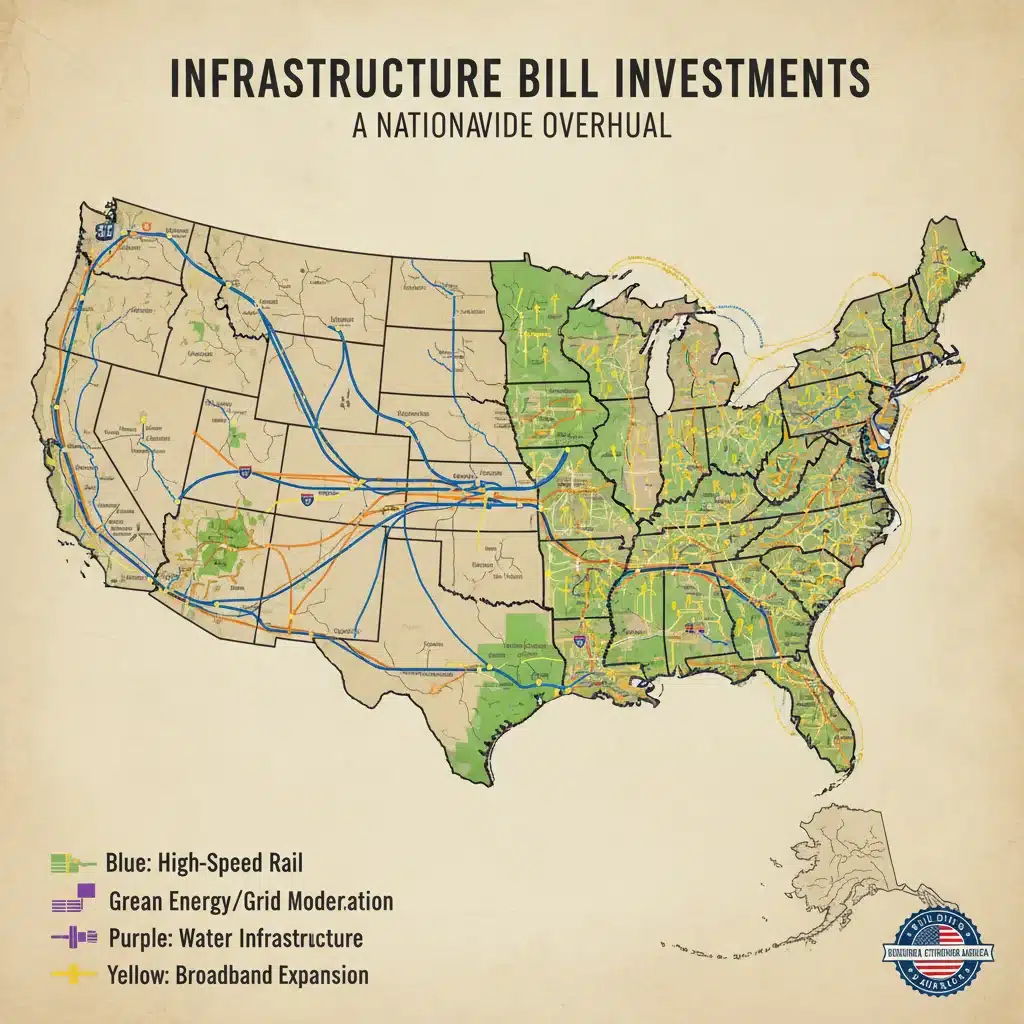
The $1.2 trillion allocated by the US Infrastructure Bill 2026 is distributed across a wide array of categories, each critical to the nation’s foundational systems. Understanding these pillars is essential for grasping the scope and potential impact of the legislation:
- Transportation: This is the largest component, receiving approximately $550 billion in new federal funding. It covers roads, bridges, public transit, railways, ports, and airports. The goal is to repair crumbling infrastructure, reduce congestion, enhance safety, and modernize transportation networks.
- Water Infrastructure: With significant investments, the bill aims to replace lead pipes, improve water treatment facilities, and expand access to clean drinking water for communities nationwide. This addresses a critical public health and environmental concern.
- Broadband Internet: Recognizing broadband as essential modern infrastructure, the bill allocates funds to expand high-speed internet access to rural and underserved communities, bridging the digital divide and fostering economic opportunity.
- Power and Grid: Investments here focus on modernizing the nation’s electric grid, making it more resilient to extreme weather events, and facilitating the integration of clean energy sources. This is crucial for energy security and climate goals.
- Resilience: Funds are dedicated to protecting communities from the impacts of climate change, including investments in wildfire management, flood mitigation, and coastal resilience projects.
- Environmental Remediation: The bill also includes significant funding for cleaning up Superfund and brownfield sites, reclaiming abandoned mine lands, and plugging orphaned oil and gas wells, addressing legacy pollution.
Each of these pillars represents a critical area where sustained investment is overdue. The collective effort across these sectors defines the trajectory of the Infrastructure Bill Progress and its transformative potential for the American landscape.
Tracking the Infrastructure Bill Progress: Milestones and Achievements
As of 2026, significant strides have been made in implementing the US Infrastructure Bill. The initial years have focused on establishing frameworks, allocating funds to states and agencies, and initiating thousands of projects. The tracking of Infrastructure Bill Progress is a dynamic process, with new projects breaking ground and completed facilities coming online regularly.
Transportation Sector: Paving the Way Forward
The transportation sector has seen some of the most visible progress. Hundreds of billions of dollars have been obligated for highway and bridge repair, with numerous projects already underway or completed. States have received substantial allocations to address their most critical infrastructure needs. For instance, major bridge rehabilitation projects, which had been deferred for years due to lack of funding, are now moving forward, improving safety and efficiency for commuters and freight alike.
- Roads and Bridges: Thousands of miles of roads have been repaved, and hundreds of structurally deficient bridges are being repaired or replaced. This includes major interstate highways and critical local routes.
- Public Transit: Transit agencies across the country are receiving funds to modernize their fleets, including investments in electric buses, and to expand and improve existing rail and bus lines, enhancing mobility for urban and suburban populations.
- Railways and Ports: Significant upgrades are being made to freight and passenger rail lines, improving safety and increasing capacity. Ports are also seeing investments to enhance their efficiency and resilience, crucial for global supply chains.
- Airports: Funding has been directed towards improving airport terminals, air traffic control towers, and runways, enhancing the travel experience and operational efficiency.
These transportation initiatives are not just about physical upgrades; they are about improving connectivity, reducing travel times, and fostering economic growth by enabling smoother movement of goods and people. The tangible signs of this Infrastructure Bill Progress are becoming increasingly evident in communities nationwide.
Bridging the Digital Divide: Broadband Expansion
Access to reliable, high-speed internet is no longer a luxury but a necessity. The US Infrastructure Bill 2026 recognized this by dedicating substantial resources to broadband expansion. This aspect of the Infrastructure Bill Progress is particularly impactful for rural and underserved areas, where lack of connectivity has hindered education, healthcare, and economic development.
State broadband offices have been established or strengthened, and competitive grant programs are actively funding projects to lay fiber optic cables and deploy other high-speed internet technologies. The goal is to ensure that every American household has access to affordable, reliable broadband. Early reports indicate significant progress in identifying unserved areas and commencing deployment efforts, promising a more equitable digital landscape.
Clean Water and Resilient Systems
Investments in water infrastructure are addressing long-standing issues of aging pipes and inadequate treatment facilities. A key focus is the replacement of lead service lines, a major public health priority. Cities and towns are receiving funding to upgrade their water treatment plants, ensuring cleaner and safer drinking water for millions. Furthermore, wastewater infrastructure improvements are contributing to environmental protection and public health.
In parallel, the resilience component of the bill is funding projects to harden infrastructure against the impacts of climate change. This includes seawall construction, wetland restoration, and improvements to storm drainage systems in flood-prone areas. These projects are crucial for protecting communities and ensuring the long-term sustainability of infrastructure investments. The proactive nature of this Infrastructure Bill Progress is safeguarding against future crises.
Economic Impact and Job Creation: The Ripple Effect of Investment
Beyond the physical improvements, one of the primary objectives of the US Infrastructure Bill 2026 was to stimulate economic growth and create jobs. The $1.2 trillion investment is expected to have a significant multiplier effect on the economy, generating employment opportunities across various sectors.
Direct and Indirect Job Creation
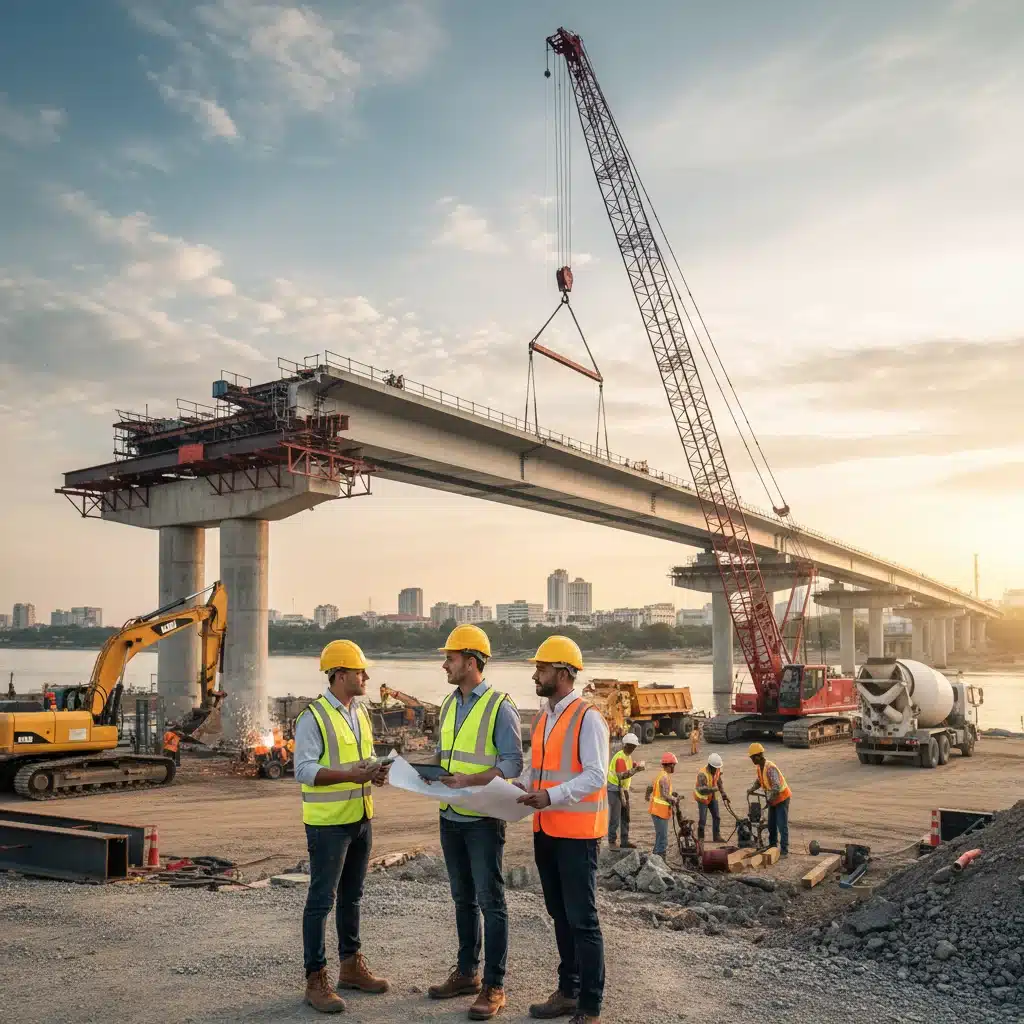
The most immediate impact is the creation of direct jobs in construction, engineering, manufacturing, and related fields. These are often well-paying jobs that do not necessarily require a four-year college degree, providing pathways to stable careers for a diverse workforce. From ironworkers and electricians to project managers and heavy equipment operators, the demand for skilled labor is surging.
However, the economic benefits extend far beyond direct employment. Indirect jobs are created in industries that supply materials, equipment, and services to infrastructure projects. Think of steel manufacturers, concrete suppliers, software developers for project management, and logistics companies. Induced jobs arise from the increased spending power of those employed directly and indirectly, further boosting local economies through retail, services, and other sectors. This comprehensive job creation is a cornerstone of the Infrastructure Bill Progress.
Long-Term Economic Benefits
The long-term economic benefits of modernized infrastructure are even more profound. Improved transportation networks reduce shipping costs and travel times, making businesses more efficient and competitive. Reliable broadband access unlocks new opportunities for remote work, e-commerce, and innovation, particularly in rural areas. A modernized energy grid ensures a stable power supply, crucial for industries and homes, and facilitates the transition to cleaner energy sources, creating new economic sectors.
By enhancing the nation’s foundational systems, the US Infrastructure Bill 2026 is increasing overall economic productivity and attracting new investments. Businesses are more likely to establish or expand operations in areas with robust infrastructure, leading to sustained job growth and prosperity. This strategic investment in core infrastructure is designed to bolster America’s economic standing on the global stage for decades to come, marking a critical phase in Infrastructure Bill Progress.
Challenges and Criticisms in Infrastructure Bill Progress
While the US Infrastructure Bill 2026 represents a monumental achievement, its implementation has not been without challenges and criticisms. Understanding these obstacles is crucial for a balanced view of the Infrastructure Bill Progress.
Inflationary Pressures and Supply Chain Disruptions
One of the significant challenges has been the backdrop of high inflation and persistent supply chain disruptions. The cost of raw materials like steel, concrete, and asphalt has risen, potentially impacting the number of projects that can be completed within the allocated budget. Labor shortages in skilled trades have also driven up wages, further contributing to project costs. These factors necessitate careful project management and adaptive strategies to ensure efficient use of funds.
Permitting and Regulatory Hurdles
Infrastructure projects often face complex permitting and regulatory processes at federal, state, and local levels. Navigating environmental reviews, land acquisition, and various bureaucratic requirements can significantly delay project timelines. Streamlining these processes while maintaining environmental and community protections remains a delicate balance and a continuous challenge for effective Infrastructure Bill Progress.
Workforce Availability
While the bill is creating jobs, finding enough skilled workers to fill these positions is another hurdle. Decades of underinvestment in vocational training and apprenticeship programs have led to a shortage of electricians, welders, heavy equipment operators, and other tradespeople. Initiatives to boost workforce development and attract new talent to these fields are crucial for sustaining the pace of infrastructure development.
Political Oversight and Accountability
As with any large-scale government spending, ensuring transparency, accountability, and preventing waste is paramount. Critics often raise concerns about the potential for pork-barrel spending or inefficient allocation of funds. Robust oversight mechanisms, clear reporting requirements, and public access to project data are essential to maintain public trust and demonstrate the effective use of taxpayer dollars throughout the Infrastructure Bill Progress.
Looking Ahead: The Future of American Infrastructure Beyond 2026
As the US Infrastructure Bill 2026 moves past its initial implementation phase and into its later years, the focus will shift from project initiation to completion and long-term maintenance. The investments made today are designed to have a lasting impact, but the need for ongoing infrastructure stewardship will remain.
Sustainability and Innovation
Future infrastructure development will increasingly emphasize sustainability and innovation. This includes incorporating climate-resilient designs, utilizing renewable energy sources for infrastructure operations, and deploying smart technologies to improve efficiency and reduce environmental impact. The bill’s foundation supports this shift, encouraging practices that are both economically sound and environmentally responsible. The integration of cutting-edge technologies will be a hallmark of future Infrastructure Bill Progress.
Maintenance and Future Investment
While the bill addresses immediate needs, infrastructure requires continuous maintenance and periodic upgrades. The challenge for policymakers will be to establish sustainable funding mechanisms beyond the current bill to ensure that the infrastructure gains are not lost over time. A culture of proactive maintenance, rather than reactive repair, will be essential for maximizing the lifespan and utility of these new assets.
Community Engagement and Equity
Ensuring that infrastructure projects benefit all communities, particularly those historically underserved, is a critical ongoing goal. The bill has provisions for equity, but continuous community engagement and careful project selection will be necessary to address disparities and foster inclusive growth. This attention to equitable distribution of benefits is a crucial element of successful Infrastructure Bill Progress.
Global Competitiveness
Ultimately, the US Infrastructure Bill 2026 is about ensuring America’s global competitiveness in the 21st century. By providing world-class infrastructure, the nation can attract investment, foster innovation, and improve the quality of life for its citizens. The success of this massive undertaking will be measured not just in dollars spent or miles of road paved, but in the enduring strength and resilience of the American economy and society.
Case Studies: Illustrating Infrastructure Bill Progress in Action
To truly appreciate the impact of the US Infrastructure Bill 2026, it’s helpful to look at specific examples of projects that are bringing the vision to life. These case studies highlight the diversity of investments and the tangible benefits accruing to communities across the nation.
The Brent Spence Bridge Corridor Project: Alleviating Congestion and Enhancing Safety
One of the most significant projects funded under the bill is the modernization of the Brent Spence Bridge Corridor, connecting Cincinnati, Ohio, and Covington, Kentucky. This vital interstate crossing, which carries both I-71 and I-75, has long been a notorious bottleneck, causing severe congestion and safety concerns. The bill provides substantial funding to build a new companion bridge and rehabilitate the existing structure, dramatically improving traffic flow and safety for millions of commuters and freight carriers. This project underscores the bill’s commitment to addressing critical chokepoints in the national transportation network, marking a monumental step in Infrastructure Bill Progress.
Expanding Broadband in Rural Maine: Connecting the Unconnected
In rural areas of Maine, the lack of high-speed internet has been a significant barrier to economic development and access to essential services. With funding from the US Infrastructure Bill, local internet service providers and community organizations are deploying miles of new fiber optic cable, bringing reliable broadband to thousands of previously unserved homes and businesses. This initiative enables students to participate in online learning, allows small businesses to reach broader markets, and provides residents with access to telehealth services, fundamentally transforming daily life and fostering greater equity. This widespread reach is a testament to the comprehensive nature of Infrastructure Bill Progress.
Lead Pipe Replacement in Newark, New Jersey: Protecting Public Health
Newark, New Jersey, faced a severe public health crisis due to lead-contaminated drinking water. While local efforts had begun, the US Infrastructure Bill 2026 provided an accelerated infusion of funds, enabling the city to expedite the replacement of thousands of lead service lines. This investment ensures that residents have access to safe, clean drinking water, preventing long-term health issues and restoring trust in public utilities. This project serves as a powerful example of how the bill directly addresses critical public health infrastructure needs, showcasing vital Infrastructure Bill Progress in safeguarding communities.
Modernizing the Electric Grid in the Pacific Northwest: Enhancing Resilience and Clean Energy Integration
Across the Pacific Northwest, investments from the bill are supporting projects to modernize the electric grid, making it more resilient to extreme weather events and capable of integrating a greater share of renewable energy sources. This includes upgrading transmission lines, deploying advanced grid technologies, and enhancing cybersecurity measures. These improvements are crucial for ensuring a stable and secure power supply while advancing the nation’s clean energy goals, demonstrating forward-thinking Infrastructure Bill Progress.
The Role of States and Localities in Driving Progress
While the US Infrastructure Bill 2026 is federal legislation, its success hinges on effective implementation at the state and local levels. States are the primary recipients of formula funds, which are distributed based on existing federal programs, and they also compete for significant grant funding for specific projects.
State Infrastructure Offices and Task Forces
Many states have established dedicated infrastructure offices or task forces to coordinate efforts, identify priority projects, and navigate the complex application processes for federal funds. These entities play a crucial role in translating federal policy into tangible projects on the ground. Their ability to collaborate with federal agencies, local governments, and private sector partners is essential for optimizing the impact of the bill’s investments. This localized coordination is vital for continued Infrastructure Bill Progress.
Community-Led Initiatives
Local governments and community organizations are also critical drivers of Infrastructure Bill Progress. They are often best positioned to identify local needs, engage with residents, and champion projects that directly benefit their communities. The bill includes provisions for direct funding to localities and opportunities for community-based planning, ensuring that a diverse range of voices informs the investment decisions.
Public-Private Partnerships
The scale of the infrastructure challenge often necessitates creative financing and project delivery models, including public-private partnerships (PPPs). These partnerships can bring private sector expertise, innovation, and capital to accelerate project delivery and enhance efficiency. The US Infrastructure Bill encourages the exploration of PPPs where appropriate, leveraging private investment to amplify the impact of public funds.
Conclusion: A Legacy of Investment and Progress
The US Infrastructure Bill 2026 represents a historic commitment to rebuilding and modernizing America’s foundational systems. The $1.2 trillion investment is not merely about fixing what’s broken but about building for the future: a future with safer roads, cleaner water, universal broadband, and a resilient energy grid. Tracking the Infrastructure Bill Progress reveals a dynamic landscape of projects underway, jobs created, and communities transformed.
While challenges such as inflation and workforce shortages persist, the overarching narrative is one of significant advancement. The bill’s multi-faceted approach addresses a wide spectrum of needs, from critical transportation upgrades to essential environmental remediation. The economic ripple effects are substantial, creating both immediate and long-term prosperity across the nation.
As we move further into the implementation phase, continued vigilance, smart planning, and collaborative efforts across all levels of government and the private sector will be paramount. The legacy of the US Infrastructure Bill 2026 will be measured by its ability to deliver a more resilient, equitable, and economically vibrant America for generations to come. This journey of Infrastructure Bill Progress is a testament to the nation’s capacity for grand vision and collective action.