Suggest interest rate outlook for smarter financial decisions

Managing finances in changing interest rates involves strategies like refinancing, choosing the right loan type, and maintaining savings to ensure economic stability and informed decision-making.
Suggest interest rate outlook is crucial for anyone looking to make informed financial decisions. Have you ever wondered how fluctuations in rates could affect your budget? Let’s dig deeper into this topic and see what’s ahead.
Current trends in interest rates
The current trends in interest rates have a significant impact on both consumers and investors. Understanding these trends can help individuals make smarter financial decisions.
Recently, we have seen shifts in interest rates due to various economic factors. The Federal Reserve plays a crucial role in these movements, adjusting rates to influence the economy.
Factors Affecting Interest Rate Trends
Several elements contribute to the fluctuation of interest rates. These include:
- The overall health of the economy.
- Inflation rates and expectations.
- Global economic conditions.
- Government policies and regulations.
As the economy grows, rates often increase to keep inflation in check. Conversely, when the economy slows down, rates may decrease to encourage borrowing and investment.
Current Market Observations
Many analysts are keeping a close eye on the current market conditions. They observe that changes in rates can happen suddenly, affecting loans and mortgages. For instance, a rise in interest rates may lead to higher monthly payments for borrowers.
Understanding these shifts helps consumers plan their finances better. For example, it may be a good idea to secure a loan at a lower rate before potential increases kick in.
Monitoring these trends allows individuals to make informed choices about saving and investing. With proper awareness, you can navigate the financial landscape effectively.
In summary, by keeping up with current trends in interest rates, you can optimize your financial strategy. Being proactive can lead to more substantial financial outcomes.
Factors influencing interest rate changes
Understanding the factors influencing interest rate changes is essential for predicting how rates will fluctuate over time. It helps consumers and investors make informed decisions.
Many different elements can cause interest rates to rise or fall. These factors impact the economy and determine how financial institutions set their rates.
Key Economic Factors
Economic indicators provide insight into potential interest rate changes. Some critical indicators include:
- Inflation rates: As inflation rises, central banks may increase interest rates to control spending.
- Employment levels: High employment often leads to increased spending, prompting rate hikes.
- Gross Domestic Product (GDP): A growing GDP signals economic health, influencing rate decisions.
- Consumer confidence: When consumers feel confident, they tend to spend more, which can affect rates.
As these economic factors shift, so do interest rates. For example, during periods of high inflation, lenders typically increase rates to protect their profits.
Monetary Policy Impact
Another vital aspect is the role of central banks, such as the Federal Reserve. They use monetary policy to manage economic growth and control inflation. When these institutions announce changes in their policy, it can lead to immediate fluctuations in rates.
Furthermore, global economic conditions play a significant role in interest rate decisions. Changes in foreign economies can impact how the U.S. rates are set, creating a ripple effect in financial markets worldwide. Investors closely monitor international events to predict potential shifts in their local rates.
Overall, multiple factors influence interest rate changes. By staying informed about these elements, individuals and businesses can better prepare for future financial decisions.
How interest rates affect loans and mortgages
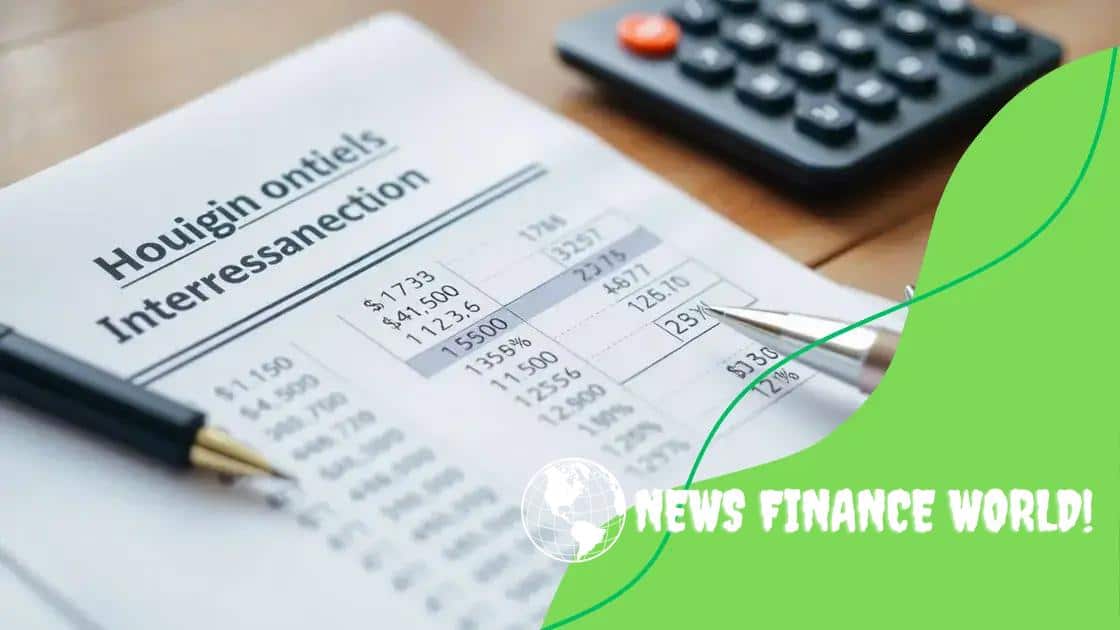
Interest rates play a critical role in determining the cost of loans and mortgages. When rates rise, borrowing becomes more expensive, which can affect consumer behavior.
The connection between interest rates and loan costs is straightforward. High interest rates mean higher monthly payments, which can strain budgets. Conversely, when rates drop, loans are more affordable, encouraging people to borrow more.
Impact on Mortgages
Mortgage rates directly influence home buying. A lower mortgage rate can open the door for many prospective homebuyers who otherwise might have struggled. For example, a 1% decrease in rates can result in significant savings over the loan’s lifetime.
- Lower monthly payments make homeownership accessible.
- Reduced financial stress allows buyers to consider larger homes.
- Home equity becomes easier to build with lower interest costs.
This dynamic shows how essential monitoring interest rates is for those considering home financing. As rates increase, homebuyers may need to adjust their budgets or choose less expensive homes.
Effects on Personal Loans
Interest rates also affect personal loans like car loans and student loans. Higher rates can deter low-income individuals from taking out loans, limiting their options. This can slow economic growth as people may lack the funds needed for essential purchases.
Moreover, existing borrowers can feel the impact when rates rise. Those with variable interest rate loans may see their payments increase, straining their finances. This can make it challenging to manage monthly budgets effectively.
Hence, understanding how interest rates affect loans and mortgages can empower consumers to make better financial choices, allowing them to time their borrowing strategically.
Predictions for future interest rates
As we look ahead, predictions for future interest rates are shaped by various economic indicators and trends. These forecasts can significantly influence financial decision-making for individuals and businesses alike.
Economists and analysts often rely on historical data and current market conditions to provide their predictions. They consider factors like inflation rates, economic growth, and unemployment levels, which can all indicate where interest rates may be headed.
Key Influencers of Future Rates
Several important elements contribute to projections regarding interest rates:
- Central bank policies: Decisions made by central banks, such as the Federal Reserve, can profoundly impact interest rates. Changes in policy, such as adjusting the federal funds rate, are closely watched.
- Economic performance: A strong economy often leads to increased borrowing and spending, which can push rates higher.
- Global events: Situations like political instability or international trade agreements can influence economic conditions and, in turn, interest rates.
Additionally, market speculation plays a crucial role. Financial markets react to news quickly, which can cause interest rates to shift unexpectedly based on anticipated changes in economic conditions.
What Do Experts Forecast?
Experts generally provide mixed forecasts for future interest rates. Some predict a gradual increase, while others suggest rates may remain low for an extended period. With ongoing economic uncertainty, staying informed is critical.
Understanding these factors can help consumers and investors navigate potential changes in the financial landscape. For instance, knowing that rates might rise soon can encourage buyers to secure mortgages or loans sooner rather than later.
By staying updated on predictions for future interest rates, individuals can make wiser financial choices and better prepare for upcoming changes.
Strategies to manage your finances in changing rates
In today’s financial landscape, it is important to develop strategies to manage your finances in changing rates. As interest rates fluctuate, these strategies can help you maintain financial stability.
One of the key approaches is to regularly review your financial situation. This includes checking your debt levels, interest rates, and overall cash flow. By staying informed, you can make timely adjustments to your financial plans.
Refinancing Options
Refinancing loans is a common strategy when interest rates drop. When you refinance, you can secure a lower interest rate, which can reduce your monthly payments significantly. This tactic can be especially beneficial for:
- Home mortgages.
- Auto loans.
- Student loans.
By lowering your rates, you not only save money but can also pay off your debts more quickly.
Fixed vs. Variable Rates
Another important consideration is the type of interest rate you choose. Fixed-rate loans stabilize your payments regardless of market changes, providing predictability. In contrast, variable-rate loans can initially offer lower rates but may increase over time.
Choosing the right rate type depends on your long-term financial goals and risk tolerance. If you expect rates to rise, a fixed-rate loan may be the safer choice.
Saving and budgeting are also crucial in adjusting to changing rates. Setting aside extra money during times of lower interest can prepare you for potential increases. An emergency fund can help you avoid financial stress when rates climb.
Moreover, learning about investment options can be beneficial. When rates are rising, consider shifting your investments to fixed-income assets that offer better returns. Staying informed about market trends will help you make wise investment choices.
By implementing these strategies to manage your finances in changing rates, you can navigate the financial landscape with confidence and ensure that your financial goals remain achievable.
FAQ – Frequently Asked Questions about Interest Rates and Personal Finance
How do interest rates affect my loan payments?
Higher interest rates typically lead to higher loan payments, making borrowing more expensive.
What are the benefits of refinancing my mortgage?
Refinancing can lower your monthly payments or reduce the total interest paid over the life of the loan.
Should I choose a fixed or variable interest rate?
If you prefer stability, a fixed rate is better. A variable rate may be beneficial if you expect rates to drop.
How can I prepare for rising interest rates?
Create a budget, save more during low rates, and consider refinancing loans to lock in lower rates.