Feeling energy policy discussion: what’s at stake?

Future trends in energy policy emphasize the transition to renewable energy sources, driven by technological innovations and the need for decarbonization to combat climate change and enhance sustainability.
Feeling energy policy discussion is more than a buzzword; it’s a pivotal issue that shapes our world. Have you ever wondered how these policies influence your electricity bill or environmental footprint? Let’s dive into the crux of the conversation.
Understanding the current energy policies
Understanding the current energy policies is essential for anyone interested in how our world functions. These policies affect everything from how we power our homes to the air we breathe.
Energy policy encompasses a wide range of topics, and it is shaped by numerous factors including environmental concerns, economic goals, and technological advancements.
Key Components of Energy Policy
At its core, energy policy aims to manage resources effectively and sustainably. Some critical components include:
- Regulations on emissions and pollution
- Incentives for renewable energy sources
- Energy efficiency standards
- Funding for research and development
Through these components, governments strive to balance the demand for energy with the need to protect our planet. For instance, many countries are adopting policies that promote renewable energy such as wind and solar power. This shift is not only beneficial for the environment but also leads to job creation and economic growth.
The Role of Government and Regulations
Governments play a crucial role in shaping energy policies. They often establish regulations to control how resources are used and to ensure that corporations are held accountable for their environmental impact. These regulations can lead to significant changes in how businesses operate and how consumers use energy.
Moreover, policies need to be flexible and adaptable. As new technologies emerge, they may provide more efficient ways to produce and consume energy. Thus, reviewing current policies regularly is necessary to ensure they meet both environmental and economic needs.
It’s crucial for individuals to stay informed about these policies. Awareness can lead to better decisions at the consumer level, encouraging practices that favor energy conservation and sustainability.
How energy policies affect daily life
How energy policies affect daily life is a question that touches everyone. These policies shape the way we consume energy at home, impact the environment, and influence economic factors.
These policies directly relate to how much we pay for electricity, how often we can charge electric vehicles, and even how quickly we can expect to see renewable energy solutions being integrated into our homes and communities.
Impact on Household Expenses
One major area where energy policy has a profound effect is household expenses. Strong policies promoting renewable energy can lead to lower energy costs over time. For instance, investing in solar panels can reduce utility bills significantly.
- Tax incentives for solar installations
- Subsidies for energy-efficient appliances
- Programs promoting energy conservation
- Rate plans for off-peak usage
Conversely, poor policy decisions can lead to increased costs, as families may have to deal with rising utility rates or higher fuel prices.
Environmental Quality
Another vital aspect is how these policies affect the environment. Stricter regulations can lead to cleaner air and water, benefiting public health. Energy companies are challenged to minimize emissions, encouraging them to adopt cleaner technologies. This not only helps the planet but improves the quality of life for all residents.
Moreover, individuals can contribute to these positive changes by supporting policies that promote sustainable practices. A community that embraces energy conservation plays an essential role in minimizing negative environmental impacts.
In summary, energy policies shape our environment and finances in ways we often overlook. Being aware of how these policies operate can empower individuals to make informed choices that enhance their daily lives.
The role of renewable energy in discussions
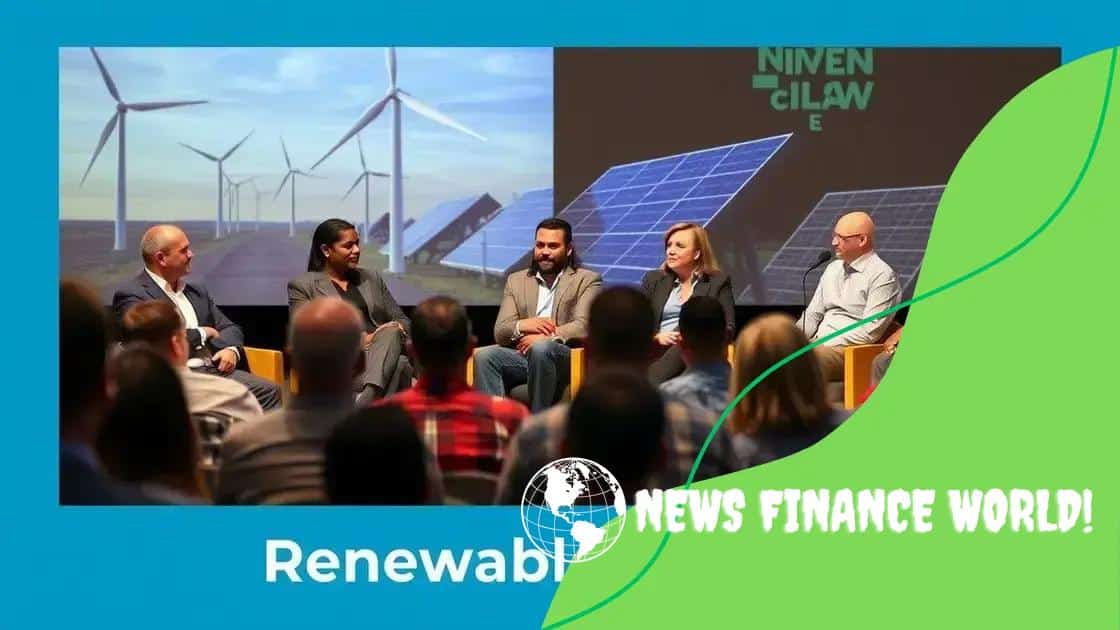
The role of renewable energy in discussions about energy policy is becoming increasingly vital. With the growing concerns over climate change, the shift towards sustainable sources of energy is at the forefront of policy debates.
Renewable energy sources such as solar, wind, and hydroelectric power offer solutions to reduce carbon emissions and reliance on fossil fuels. These discussions are crucial in shaping future energy frameworks.
Benefits of Renewable Energy
Transitioning to renewable energy comes with numerous benefits that cannot be overlooked. These advantages include:
- Reducing greenhouse gas emissions
- Creating new job opportunities in green technology
- Decreasing dependency on imported fuels
- Enhancing energy security and resilience
The adoption of these technologies also stimulates economic growth. For instance, investments in solar energy can lead to job creation in manufacturing and installation sectors, providing a significant economic boost.
Challenges Facing Renewable Energy Adoption
While the benefits are clear, there are challenges that need to be addressed. Some obstacles include initial high costs, the need for regulatory support, and the technological advancements required to improve efficiency.
Despite these challenges, the importance of renewable energy cannot be understated. It is essential for creating sustainable policies aimed at long-term ecological benefits. Engaging communities in these discussions can foster support and awareness of the advantages that renewable energy brings.
As public interest grows, policymakers are encouraged to prioritize renewable energy initiatives that engage a wide range of stakeholders. This collaboration may aid in overcoming barriers and ultimately lead to a cleaner, more sustainable energy future.
Challenges in implementing effective policies
Challenges in implementing effective energy policies can significantly hinder progress towards a sustainable future. Understanding these challenges is essential for creating solutions that work.
One major barrier is the resistance to change from established industries. Companies relying on fossil fuels may be reluctant to adapt to new regulations or invest in renewable energy technologies. This resistance can slow down the transition needed to meet climate goals.
Funding and Investment Issues
Another challenge is securing adequate funding for sustainable energy initiatives. High upfront costs for renewable energy projects can deter investment.
- Government subsidies may not cover all costs.
- Private investors may seek quicker returns.
- Long-term benefits may not be prioritized.
- Access to affordable financing options can be limited.
These financial barriers can prevent communities from switching to cleaner energy sources, which is crucial for reducing emissions.
Regulatory and Policy Frameworks
The complexity of regulatory and policy frameworks also poses significant challenges. Different levels of government, from local to federal, often have varying regulations that can create confusion.
This patchwork of rules can hinder cooperation among stakeholders and slow down projects. Additionally, the need for constant updates to policies can make it difficult to keep pace with technological advancements in the energy sector.
Finally, public awareness and education play a crucial role in overcoming these challenges. Many people are unaware of the benefits of renewable energy, leading to a lack of support for necessary policy changes. Educating communities about these issues is vital for fostering a culture that embraces sustainable practices.
Future trends in energy policy
Future trends in energy policy are shaping the way we think about energy production and consumption. As technology advances and public awareness of climate issues grows, these trends will likely redefine our energy landscape.
One significant trend is the increased focus on decarbonization. Governments around the world are setting ambitious goals to reduce greenhouse gas emissions. This shift means that policies will increasingly encourage renewable energy sources, electric vehicles, and energy-efficient technologies.
Emphasis on Renewable Energy
The transition to renewable energy is gaining momentum. More countries are prioritizing solar, wind, and other forms of clean energy in their energy policies. This approach not only helps combat climate change but also promotes energy independence.
- Incentives for solar roof installations
- Investment in wind farms
- Support for community energy projects
- Regulations to phase out fossil fuel use
With these incentives, communities can engage directly in energy production, reducing costs and fostering local economies.
Technological Innovations
Technological advancements will also play a crucial role in energy policy. Smart grids, battery storage, and energy management systems are transforming how energy is used and distributed.
Policies that support research and development will be essential. Emerging technologies can create more efficient ways to harness and use energy. As these innovations develop, they can lead to lower energy costs and improved reliability.
Furthermore, digital tools are helping consumers track their energy consumption. This increased awareness allows individuals to make more informed decisions about their energy use, leading to more significant conservation efforts.
As we look to the future, it’s crucial to stay informed about these trends. Engaging in discussions about energy policy not only impacts our lives but also shapes the world we will leave for future generations.
In summary, understanding the impacts of energy policies on our future is crucial. By embracing renewable energy sources, we can reduce emissions and create sustainable communities. Innovations in technology will continue to drive policies that shape how we produce and consume energy. Challenges remain, but through education and engagement, we can all play a part in promoting effective energy solutions.
FAQ – Frequently Asked Questions about Energy Policy
What is the importance of energy policies?
Energy policies guide how we produce and consume energy, impacting sustainability and economic growth.
How does renewable energy affect the environment?
Renewable energy reduces greenhouse gas emissions and promotes cleaner air and water, benefiting public health.
What role do technological innovations play in energy policy?
Technological innovations improve energy efficiency, making renewable sources more accessible and affordable.
How can individuals contribute to effective energy policies?
Individuals can stay informed, support renewable energy initiatives, and advocate for sustainable practices in their communities.